If you live in Brisbane, chances are you’ve seen wasps around your home at some point — under eaves, near outdoor seating, or hovering around gardens and bins. For many homeowners, the challenge isn’t just the presence of wasps, but knowing when they’re harmless, when they’re dangerous, and what action is actually necessary.
This guide is designed to answer the questions Brisbane residents most commonly ask online:
Is this nest a problem? Can I leave it alone? Is DIY safe? When should I call a professional?
Why Wasps Are So Common in Brisbane
Brisbane’s subtropical climate creates ideal conditions for wasps. Warm temperatures, mild winters, and abundant food sources allow colonies to grow quickly and remain active for long periods of the year.
Most wasp activity increases from spring through late summer, when nests expand and worker numbers peak. This is also when conflicts with humans are most likely to occur — particularly around homes with outdoor living areas, pools, gardens, and rubbish storage.
Common Types of Wasps Around Brisbane Homes
While many people refer to all wasps as dangerous, the reality is more nuanced.
Paper Wasps
These are among the most frequently encountered species in Brisbane. Their nests are often visible, papery, and attached to eaves or outdoor structures. Paper wasps are defensive rather than aggressive, but will sting if their nest is disturbed.
Mud Wasps (Mud Daubers)
Mud wasps build small, tube-like nests made of dried mud. They are generally solitary and less aggressive, though their nests can still be unsightly or problematic when built on homes.
European Wasps
Less common but more concerning, European wasps are highly aggressive and capable of repeated stings. Their nests may be hidden in wall cavities or underground, making them harder to detect and more dangerous.
Correct identification matters because risk levels and control methods differ by species.
Why Wasps Can Become Dangerous
Wasps are not inherently aggressive. Most stings occur because a wasp feels threatened or its nest is disturbed. Problems arise in specific situations:
- Nest defence: Wasps will aggressively protect their nest and can attack in groups.
- Repeated stinging: Unlike bees, wasps can sting multiple times.
- Allergic reactions: Even one sting can be life-threatening for some people.
- High-traffic locations: Nests near doors, walkways, or play areas dramatically increase risk.
Queensland Health recognises wasp stings as a potential medical concern, particularly for children and individuals with hypersensitivity.
Signs You May Have a Wasp Nest
Brisbane homeowners often miss early warning signs. Look for:
- Repeated wasp flight to and from one location
- A visible nest under eaves, in trees, or on fences
- Buzzing sounds from walls or roof spaces
- Increased wasp presence near food, bins, or outdoor areas
A single wasp is rarely an issue. Consistent activity in one area almost always indicates a nest.
Can You Leave a Wasp Nest Alone?
This is one of the most common questions raised in local forums.
You may be able to leave a nest alone if all of the following apply:
- The nest is far from human activity
- No one in the household has a sting allergy
- The wasps are not behaving aggressively
- The nest is not inside or attached to the structure of the home
Wasps play a role in controlling other insect populations and pollination. In isolated areas, nests often die off naturally at the end of the season.
However, nests near living areas rarely remain “not a problem” for long.
Why DIY Wasp Nest Removal Often Fails
Many Brisbane residents consider DIY removal, usually after seeing a nest in an inconvenient location. Forum discussions consistently highlight the same issues:
- Over-the-counter sprays often fail to reach the nest core
- Partial treatment can make wasps more aggressive
- Hidden nests are frequently missed
- Ladders and elevated nests increase fall risk
- Swarming responses happen faster than expected
Australian pest management standards strongly discourage untrained nest removal, particularly for large or elevated nests.
When You Should Call a Professional
Professional wasp control is recommended when:
- The nest is larger than a small fist
- The nest is located high, inside walls, or in roof cavities
- Wasps are entering indoor spaces
- Children or pets are at risk
- Anyone in the household has allergies
- You’re unsure what species you’re dealing with
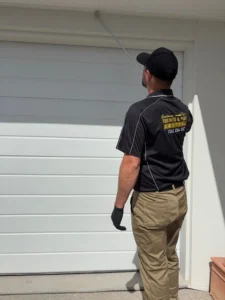
Professionals are trained to manage wasps without triggering defensive swarms and can ensure the entire colony is addressed — not just the visible portion.
How Professional Wasp Pest Control Works in Brisbane
While methods vary by company and situation, professional services generally include:
Inspection and Risk Assessment
Technicians identify the species, nest location, and activity level.
Targeted Treatment
Licensed treatments are applied at times when wasp activity is lowest, reducing risk.
Safe Nest Removal
Once activity is neutralised, nests are removed or rendered inactive.
Prevention Advice
Homeowners receive guidance on reducing future nesting opportunities.
Professional pest controllers operate under Australian standards that prioritise safety, environmental responsibility, and long-term results.
Preventing Wasps Around Your Home
While no method is foolproof, preventative steps can reduce risk:
- Keep bins sealed and clean
- Cover food and drinks outdoors
- Seal gaps and cracks in eaves and walls
- Reduce clutter and sheltered nesting areas
- Schedule regular pest inspections
Many Brisbane homeowners include wasp monitoring as part of general pest control during warmer months.
What Brisbane Residents Are Really Worried About
Across social forums, common themes emerge:
- Fear of unexpected stings
- Concern for children and pets
- Uncertainty about legality and safety
- Confusion over species identification
- Hesitation about DIY risks
The strongest motivator isn’t cost — it’s peace of mind.
Final Thoughts: Safety Over Guesswork
Wasps are a normal part of Brisbane’s environment, but nests don’t belong in high-traffic living spaces. Understanding the difference between a low-risk situation and a genuine hazard is key.
If there’s any doubt — about safety, access, or species — professional wasp pest control is the most reliable way to protect your home without unnecessary risk.
Lorem ipsum dolor sit amet, consectetur adipiscing elit. Ut elit tellus, luctus nec ullamcorper mattis, pulvinar dapibus leo.